

Science

What Is Sleepmaxxing? The QQRT Sleep Guide

1024 683 Rafea Naffa

What Is Sleepmaxxing? The QQRT Sleep Guide

Better Magnesium. Better Brain.™

Sleepmaxxing is the deliberate practice of optimizing sleep — not chasing extra hours, but improving how restorative those hours feel. It treats sleep less as a fixed quantity and more as a skill: something you can train through light, temperature, timing, and a small set of evidence-informed supports.

Most of us know the feeling that makes sleepmaxxing relevant: seven or eight hours in bed, and you still wake up foggy, unfocused, and reaching for caffeine before your eyes are fully open. The hours add up, but something about the recovery doesn’t.

In a culture built on overstimulation — late-night screens, after-hours alerts, schedules that bleed into weekends — sleep has quietly stopped being about how long you’re in bed and started being about whether your body actually gets to recover.

(For background on the broader magnesium–sleep relationship, see Magnesium & Sleep: How Magnesium Supports Deep and Restorative Rest.)

The most useful framework for thinking about sleepmaxxing is QQRT: Quantity, Quality, Regularity, and Timing. Adapted from sleep science, QQRT moves the conversation past viral hacks like mouth tape or “sleepy girl mocktails” and toward the variables that actually shape how you feel the next morning.

The QQRT sleep framework, at a glance

  • Quantity — typically 7–9 hours of sleep for adults
  • Quality — sleep efficiency above 85% is generally considered healthy
  • Regularity — consistent bed and wake times anchor the circadian rhythm
  • Timing — sleep aligned with your natural chronotype

This guide walks through each pillar, the smaller adjustments that make the biggest difference, and where Magtein® (magnesium L-threonate) fits into the picture.

What is the QQRT sleep framework?

QQRT breaks sleep into four measurable pillars. Each one is something you can track, and each one influences how well your brain and body actually recover overnight.

Quantity is the most familiar pillar. Most adults need seven to nine hours of sleep [1] to cycle through enough deep sleep, the stage that supports physical recovery, and REM sleep, which supports memory and emotional processing. More isn’t always better — oversleeping can leave you as groggy as undersleeping.

Quality is about what happens inside those hours. Fragmented sleep, frequent awakenings, and poor sleep efficiency — too much time awake in bed — all undermine quality. A sleep efficiency above 85% is generally considered healthy, and most wearables now track it directly. (We unpack the research behind sleep-quality metrics in What Is Sleep Quality? Insights from the 2024 Sleep Medicine Study.)

Regularity is the pillar most people underestimate. Going to bed and waking up at consistent times anchors your circadian rhythm. A 2023 UK Biobank study found that the most regular sleepers had substantially lower mortality across cancer, cardiometabolic disease, and all-cause categories than the least regular sleepers — even after adjusting for total sleep duration [2].

Timing is about alignment. Some people are wired to sleep early, others to sleep late. Working with your chronotype rather than against it changes how restorative those seven to nine hours actually feel.

In plain terms. Sleep quality isn’t just how long you sleep. It’s how well you sleep, how consistent you are, and how well your schedule fits your biology.

What habits make the biggest difference for sleep quality?

The QQRT pillars set the direction. What moves the needle day to day is a small set of habits — most of them free, most of them quietly powerful.

Light is the master sleep regulator. Ten to fifteen minutes of outdoor light within an hour of waking suppresses melatonin and resets your internal clock. In the evening, the opposite logic applies: dim your lights two hours before bed, and swap overhead bulbs for warmer, lower lamps. Amber and red-toned lighting is less disruptive to melatonin.

Temperature is the deep-sleep lever. Your core body temperature needs to drop by roughly 1°C for sleep to begin [3]. A cool bedroom — around 19°C, or 67°F — helps that happen. So does a warm shower an hour or two before bed. Counterintuitively, the post-shower cooldown mimics the body’s natural pre-sleep process.

Caffeine is longer-acting than most people realize. It can prolong sleep latency, reduce total sleep time, and lower perceived quality — even in people who feel they’re “fine with coffee” [4]. Cutting it off after 2 p.m. is a reasonable default; earlier if you’re caffeine-sensitive.

Eating timing matters, too. Heavy meals within two hours of bed can trigger reflux, but going to bed hungry is equally disruptive. A small snack — a banana, a handful of almonds — is often a workable middle ground.

How does Magtein support sleep?

Magtein (magnesium L-threonate) has been studied in randomized controlled trials for its role in supporting sleep quality and daytime functioning in adults with self-reported sleep difficulties.

Your brain has a natural gatekeeper — the blood-brain barrier — that carefully controls what enters from the bloodstream. This barrier protects your neurons, but it also means that not every nutrient can cross easily. That’s why the form of magnesium matters: certain forms are studied for their ability to support magnesium levels in brain regions involved in thinking, memory, and sleep regulation. (See How Magtein Crosses the Blood-Brain Barrier (and Why It Matters) for a deeper look at this mechanism.)

Magtein is a magnesium formulation studied for its ability to support healthy magnesium levels in the brain [5], with research linking adequate brain magnesium to cellular functions that underpin focus, memory, mood, and restful sleep.

Why this matters. Conventional magnesium supplements raise magnesium in the blood reliably. Some research has examined whether different magnesium forms may vary in their ability to support brain magnesium levels. The L-threonate carrier in Magtein was developed with this distribution question in mind.

Two recent randomized, double-blind, placebo-controlled trials have specifically examined how Magtein affects sleep. The populations and protocols differ — but the patterns line up.

What did the 21-day Magtein sleep trial find?

In a 2024 trial published in Sleep Medicine: X, 80 adults aged 35 to 55 with self-reported sleep problems took 1 g of Magtein, or a matched placebo, about two hours before bed for three weeks [6].

Compared with placebo, participants taking Magtein reported feeling more refreshed in the morning and more alert through the day. Significant differences emerged on measures of mood, mental alertness, and daytime energy — many of them within the first one to two weeks.

Key takeaway. Subjective sleep improvements emerged relatively quickly — within seven to fourteen days for most outcomes.

What did the 6-week Magtein sleep trial find?

A 2026 trial in Frontiers in Nutrition, conducted by an Australian research group, examined a longer protocol: 100 adults aged 18 to 45 with self-reported dissatisfied sleep took 2 g of magnesium L-threonate (Magtein) daily — split between morning and evening — for six weeks [7].

The trial reported a significant improvement in self-rated sleep-related impairment — essentially, how much daytime function was affected by poor sleep. Notably, the benefit was largest in participants who started the study with the most severe sleep problems.

Wearable monitoring (Oura Ring) picked up two physiological signals worth noting: a small but significant drop in average heart rate during sleep, and an increase in heart rate variability, or HRV. The authors interpret these shifts as evidence of greater parasympathetic activity — the “rest-and-digest” branch of the nervous system that helps the body wind down (See 2026 Magtein Trial: Cognition, Sleep & HRV Findings for a deeper look at this clinical study).

In plain terms. Higher overnight HRV and a lower resting heart rate are considered by researchers to be markers of nervous-system recovery. The research team interprets these shifts as signs of better autonomic balance during sleep.

What do both Magtein sleep trials show together?

Despite different doses, durations, and populations, the two trials converge on a consistent pattern. Participants taking Magtein tended to report better sleep quality, better daytime functioning, and clearer signals of physiological recovery overnight — with the largest improvements in people who started with worse sleep.

Magtein was well-tolerated in both studies, with no adverse-event-related discontinuations in either Magtein arm.

Key takeaway. Two randomized controlled trials have reported improvements in subjective sleep, daytime functioning, and physiological markers of nervous-system recovery in adults taking Magtein. The effects are most visible in people whose sleep needs the most support.

Why does sleep matter beyond feeling rested?

Sleep isn’t only about how rested you feel the next morning. Research has linked inadequate sleep to consequences that extend well beyond fatigue.

Memory consolidation happens largely during deep sleep, when the brain encodes the day’s learning. Emotional regulation depends heavily on REM sleep; sleep-deprived brains tend to overreact to stressors [8]. And metabolic health — including the way the body manages glucose and insulin — is influenced by both sleep quantity and consistency over time [9].

In short: better sleep doesn’t just feel better. It supports the underlying systems your brain and body rely on.

The bottom line

QQRT is the blueprint. Sleepmaxxing is the practice. Magtein is one of the evidence-informed supports research has examined for its role in this process.

You don’t need extreme protocols or trending gadgets. You need consistent light exposure in the morning, a cool and dim bedroom at night, a sleep schedule that respects your biology, and a small set of evidence-informed supports that help your nervous system shift into recovery mode.

Magtein has been studied for its role in supporting brain magnesium status. The evidence so far points in a useful direction: more restorative sleep, calmer physiology, and clearer days.

Better sleep isn’t a hack. It’s the repeated process of creating the conditions for recovery, night after night, until your baseline quietly shifts.

Rafea Naffa, PhD

Director of R&D

Frequently Asked Questions

What is sleepmaxxing?

Sleepmaxxing is the deliberate practice of optimizing sleep for cognitive, emotional, and physical performance — not just avoiding sleep deprivation. It uses science-backed levers like light exposure, temperature control, sleep regularity, and targeted nutrition to improve how restorative each night feels. The most useful framework for sleepmaxxing is QQRT, which moves the conversation past social media hacks toward variables you can actually measure and adjust.

What does QQRT stand for?

QQRT stands for Quantity, Quality, Regularity, and Timing — the four pillars of high-quality sleep. Quantity refers to total sleep duration, typically seven to nine hours for adults. Quality describes how continuous and efficient that sleep is. Regularity reflects how consistent your sleep-wake times are from day to day. Timing means how well your sleep schedule aligns with your natural chronotype.

What’s the difference between sleep quantity and sleep quality?

Sleep quantity refers to total time asleep — typically seven to nine hours for adults. Sleep quality refers to how restorative that time is, measured by factors like sleep efficiency (time asleep divided by time in bed), number of awakenings, and progression through deep and REM sleep stages. You can have enough quantity but poor quality, which often shows up as feeling unrested despite a full night in bed.

What is the best magnesium for sleep?

Different magnesium forms have been studied for different purposes. Magtein is the form studied directly in randomized controlled trials examining cognitive performance and sleep outcomes in adults with self-reported dissatisfied sleep. Other forms (such as magnesium glycinate or citrate) are commonly used in supplements but have a smaller clinical evidence base for sleep-specific outcomes. Magtein also holds FDA GRAS status (GRN 499, 2014) and EU/UK Novel Food authorizations — regulatory clearances that most proprietary magnesium forms have not completed. The best form depends on the individual and the goal; for sleep quality with cognitive support, Magtein is the most directly studied.

Is Magtein FDA approved?

Dietary supplements are not “approved” by the U.S. Food and Drug Administration in the way prescription drugs are; supplements are regulated under a different framework. However, Magtein has FDA GRAS status (Generally Recognized As Safe), confirmed by an FDA Letter of No Objection in response to GRAS Notification GRN 499 (2014). This allows its use as a magnesium source in both dietary supplements and conventional foods. Magtein also holds EU Novel Food authorization (2024) and UK Novel Food authorization (2026).

Is sleep regularity more important than sleep duration?

Sleep regularity appears to be a uniquely strong predictor of long-term health outcomes. A 2023 UK Biobank study found that the most regular sleepers had substantially lower mortality across cancer, cardiometabolic disease, and all-cause categories than the least regular sleepers — even after adjusting for sleep duration [2]. This doesn’t mean duration is unimportant. Most adults still need seven to nine hours. But a consistent schedule may matter more than people assume.

How does Magtein support sleep?

Magtein has been studied for its role in supporting healthy magnesium levels in the brain. Two randomized controlled trials have specifically examined Magtein and sleep. The 2024 trial in Sleep Medicine: X reported improvements in awakening behavior, mood, alertness, and daily energy. The 2026 trial in Frontiers in Nutrition reported improvements in sleep-related impairment over six weeks — with stronger effects in participants who started with lower sleep quality — plus a reduction in resting heart rate and an increase in HRV during sleep.

How quickly does Magtein work for sleep?

In the 2024 trial, group differences on several subjective sleep-related measures emerged within seven days, with additional outcomes reaching significance by day fourteen. The 2026 Frontiers in Nutrition trial used a six-week protocol and observed continued benefits over time. Some anecdotal consumer feedback has also reported sleep improvements from the first night; however, individual responses may vary. As a general rule, two to three weeks of consistent use is a reasonable window for noticing changes, with continued benefit possible over longer periods.

When should I take Magtein for sleep?

Both trials used evening dosing as part of the protocol. The 2024 trial gave 1 g about two hours before bed. The 2026 Frontiers in Nutrition trial used a split protocol — 1 g in the morning and 1 g about two hours before bed — to help maintain steadier magnesium levels through the day. We dig further into this in our piece on the best time of day to take Magtein. Individual responses vary, and consistency over weeks tends to matter more than any single dose.

References

  1. Watson, N. F., Badr, M. S., Belenky, G., et al. (2015). Recommended amount of sleep for a healthy adult: A joint consensus statement of the American Academy of Sleep Medicine and Sleep Research Society. Journal of Clinical Sleep Medicine, 11(6), 591–592. doi: 10.5664/jcsm.4758
  2. Windred, D. P., Burns, A. C., Lane, J. M., Saxena, R., Rutter, M. K., Cain, S. W., & Phillips, A. J. K. (2024). Sleep regularity is a stronger predictor of mortality risk than sleep duration: A prospective cohort study. Sleep, 47(1), zsad253. doi: 10.1093/sleep/zsad253
  3. Harding, E. C., Franks, N. P., & Wisden, W. (2019). The temperature dependence of sleep. Frontiers in Neuroscience, 13, 336. doi: 10.3389/fnins.2019.00336
  4. Clark, I., & Landolt, H. P. (2017). Coffee, caffeine, and sleep: A systematic review of epidemiological studies and randomized controlled trials. Sleep Medicine Reviews, 31, 70–78. doi: 10.1016/j.smrv.2016.01.006
  5. Slutsky, I., Abumaria, N., Wu, L. J., et al. (2010). Enhancement of learning and memory by elevating brain magnesium. Neuron, 65(2), 165–177. doi: 10.1016/j.neuron.2009.12.026
  6. Hausenblas, H. A., Lynch, T., Hooper, S., et al. (2024). Magnesium-L-threonate improves sleep quality and daytime functioning in adults with self-reported sleep problems: A randomized controlled trial. Sleep Medicine: X, 8, 100121. doi: 10.1016/j.sleepx.2024.100121
  7. Lopresti, A. L., & Smith, S. J. (2026). The effects of magnesium L-threonate (Magtein) on cognitive performance and sleep quality in adults: A randomised, double-blind, placebo-controlled trial. Frontiers in Nutrition, 12, 1729164. doi: 10.3389/fnut.2025.1729164
  8. Goldstein, A. N., & Walker, M. P. (2014). The role of sleep in emotional brain function. Annual Review of Clinical Psychology, 10, 679–708. doi: 10.1146/annurev-clinpsy-032813-153716
  9. Reutrakul, S., & Van Cauter, E. (2018). Sleep influences on obesity, insulin resistance, and risk of type 2 diabetes. Metabolism, 84, 56–66. doi: 10.1016/j.metabol.2018.02.010

These statements have not been evaluated by the Food and Drug Administration. This product is not intended to diagnose, treat, cure, or prevent any disease.

The Brain Fog Epidemic: How Digital Fatigue Hijacks Your Focus

1024 683 Rafea Naffa

The Brain Fog Epidemic: How Digital Fatigue Hijacks Your Focus

Better Magnesium. Better Brain.™

Digital fatigue is the cumulative mental strain caused by sustained exposure to digital content, including task-switching, notifications, social media feeds, and screen-based work. Brain fog — the foggy, slow, scattered feeling many people now recognize — is one of its most common signs.

It builds slowly, often invisibly, and shows up at the end of a typical day as a heaviness behind the eyes, a slower start on tasks that should feel routine, or a fog that doesn’t quite lift even after a night of sleep.

This article looks at what’s actually happening when attention frays, why recovery — not just rest — is the part most people undertreat, and where targeted magnesium support, including a specific form called Magtein® (magnesium L-threonate), fits into the conversation.

In plain terms. Digital fatigue isn’t a clinical diagnosis. It’s the cumulative cost of living with constant input — and it shows up most clearly in the systems that depend on focus, memory, and sleep.

Digital fatigue, at a glance

  • What it is: Cumulative mental strain from sustained screen exposure
  • Common signs: Foggy thinking, reduced focus, tired-but-wired feeling, disrupted sleep
  • Main mechanisms: Task-switching cost, dopamine-feed over-arousal, evening screen-light effects on melatonin
  • Recovery levers: Screen-free transitions, consistent sleep timing, morning light exposure, nutritional support including adequate magnesium


What does digital fatigue do to the brain?

Sustained attention is metabolically expensive. The prefrontal cortex — where decisions get made and focus is held — draws heavily on glucose, oxygen, and neurochemical signaling [1]. Each time you switch tasks, the brain re-allocates those resources. In a single switch, the cost is trivial. Over a day made up of hundreds, the cost adds up to genuine cognitive fatigue.

Algorithmic feeds add a second layer. They are engineered to deliver small, frequent rewards — novelty, outrage, social signal — that activate the dopamine system and reinforce continued scrolling [2]. The pattern feels relaxing in the moment, but research suggests it leaves the brain over-aroused rather than rested.

Why this matters. You can sit still for hours and still finish the day with a depleted nervous system. Passive screen time is not passive recovery.

How does screen time affect sleep?

Digital overload doesn’t end when the phone goes down. Evening screen exposure delays melatonin, fragments sleep, and reduces the deep-sleep stages the brain relies on to consolidate memory and clear metabolic by-products [3]. The result is a cycle: poor recovery overnight, reduced focus the next day, more screen-based stimulation to compensate, and more disrupted sleep on the other side of it. (For a deeper look at the magnesium–sleep relationship, see Magnesium & Sleep: How Magnesium Supports Deep and Restorative Rest.)

Breaking the cycle usually requires intervention on more than one front. Reducing input is one. Supporting the underlying biology — including the magnesium status that helps regulate sleep architecture and nervous-system tone — is another. (Practical guidance for building consistent sleep habits is in Your Optimal Sleep Routine.)

Key takeaway. Recovery is not the absence of activity. It’s an active biological process that depends on adequate sleep, stable stress regulation, and the neurochemical conditions for the brain to reset.

What role does magnesium play in cognitive recovery?

Magnesium is involved in more than 300 enzymatic processes in the body, including many that govern brain energy metabolism, neurotransmitter signaling, and synaptic plasticity — the cellular processes underlying learning and memory [4]. Inadequate magnesium intake has been linked in research to subjective fatigue, lower mood scores, and reduced sleep quality across several reviews [4, 5]. Yet not all magnesium reaches the brain equally well.

Your brain has a natural gatekeeper — the blood-brain barrier — that carefully controls what enters from the bloodstream. This barrier protects neurons, but it also means that some magnesium forms primarily raise magnesium in the blood without meaningfully changing what’s available inside the brain itself. That’s why the form of magnesium matters — a topic we explore at greater length in How Magtein Crosses the Blood-Brain Barrier (and Why It Matters).

In plain terms. If the goal is brain support, the question isn’t only how much magnesium you take. It’s whether the form you take is studied for its ability to support magnesium levels where cognition actually happens.

How does Magtein support cognitive recovery?

Magtein is a magnesium formulation studied to support healthy magnesium levels in the brain. Its L-threonate carrier was developed to improve magnesium bioavailability [6]. Magtein has been examined directly in randomized controlled trials examining cognition and sleep [7, 8, 9].

The most relevant recent trial was published in Frontiers in Nutrition in 2026. Researchers in Australia gave 100 adults aged 18 to 45 with self-reported dissatisfied sleep either 2 g of magnesium L-threonate (Magtein) daily or a matched placebo, for six weeks. Cognitive performance was measured with the NIH Toolbox; sleep and stress physiology were tracked with Oura Ring wearables [8] (See 2026 Magtein Trial: Cognition, Sleep & HRV Findings for a deeper look at this clinical study).


Compared with placebo, the Magtein group reported greater improvements in overall cognitive performance, with the largest effects on working memory, reaction time, and a measure the researchers called cognitive age — how each participant’s brain performance mapped against age-normative data. At the end of six weeks, the Magtein group’s cognitive age was approximately 7.5 years younger than the placebo group’s [8].

The trial also reported two physiological signals worth noting: a small but significant drop in average resting heart rate during sleep, and an increase in heart rate variability [7]. The authors interpret these as evidence that Magtein may support parasympathetic activity — the “rest-and-digest” branch of the nervous system that helps the body wind down.

Magtein was well-tolerated, and there were no adverse-event-related discontinuations in the Magtein arm.

Key takeaway.  In the most recent randomized controlled trial, the Magtein group reported improvements in attention, working memory, reaction time, and the physiological markers of nervous-system recovery — across a six-week period in adults with imperfect sleep.

How can I build recovery into my daily routine?

Any single intervention works best inside a broader recovery practice. The fundamentals are familiar but worth restating in the context of digital overload.

Bracket your day with light. Morning sunlight anchors the circadian rhythm; dim evening light protects the body’s wind-down. Build screen-free transitions — even ten minutes between work and sleep, or work and exercise, gives the prefrontal cortex a chance to reset. Honor the sleep window: consistency of sleep timing matters as much as duration.

Time the supports you use deliberately. Magnesium intake, in particular, can be tuned toward daytime focus or evening wind-down depending on when it’s taken — something we explore in our piece on the best time of day to take Magtein. The principle is simple: consistent rhythms beat heroic interventions, and small, repeated supports compound.

The closing thought

Constant input has a cost. The deeper premise — the one worth holding onto — is that recovery has value. Not as the absence of effort, but as the condition for clear thought, steady mood, and the kind of attention that lets you do work that matters.

You don’t need to leave the digital world to recover within it. You need inputs the brain can metabolize, and supports — magnesium L-threonate (Magtein) being one — that help your nervous system stay resilient through it.


Rafea Naffa, PhD

R&D Director  |  Cognitive Wellness Advocate

Frequently Asked Questions

What is digital fatigue?

Digital fatigue is the cumulative mental strain caused by sustained exposure to digital content, including task-switching, notifications, social media feeds, and screen-based work. It shows up as reduced focus, slower processing, tiredness that isn’t relieved by ordinary rest, and disrupted sleep [1]. It isn’t a clinical diagnosis, but it reflects a real pattern of accumulated cognitive load and incomplete recovery that researchers in attention and sleep science have documented for years.

What are the symptoms of brain fog?

Brain fog typically presents as reduced focus, slower mental processing, difficulty holding multiple pieces of information in mind, and a sense of tiredness that doesn’t lift with ordinary rest. It often comes with disrupted sleep, low daytime energy, and reduced motivation for cognitively demanding work. Brain fog isn’t a clinical diagnosis but reflects a recognizable pattern of cognitive load and incomplete recovery.

How do you recover from digital fatigue?

Recovering from digital fatigue requires intervention on several fronts. Reduce input: schedule screen-free transitions, especially in the two hours before bed. Restore sleep: consistent sleep timing and dim evening light help the brain shift into recovery mode. Support nervous-system tone: magnesium status influences sleep architecture and stress regulation. Build short attention-rest cycles during the workday rather than relying on long off-screen periods alone.

What causes brain fog from too much screen time?

Several mechanisms contribute. Task-switching imposes a small but real cognitive cost each time, and those costs accumulate [1]. Algorithmic feeds activate the dopamine reward system in ways that feel relaxing but leave the nervous system over-aroused [2]. Evening screen exposure delays melatonin and reduces restorative sleep [3]. Stress and inadequate sleep can deplete magnesium and other nutrients involved in nervous-system regulation [4]. The result is a cycle of incomplete recovery that shows up as the foggy, scattered, “tired-but-wired” feeling many people now recognize.

How does magnesium support brain function?

Magnesium is involved in more than 300 enzymatic processes in the body, including ones that regulate brain energy metabolism, neurotransmitter signaling, and synaptic plasticity — the cellular processes that underlie learning and memory [4]. In the European Union, magnesium is authorized under structure/function claims that recognize its contribution to normal psychological function, normal functioning of the nervous system, and the reduction of tiredness and fatigue.

How is Magtein different from other magnesium supplements?

Magtein (magnesium L-threonate) was developed as a magnesium formulation studied to support healthy magnesium levels in the brain. Its L-threonate carrier was designed to improve magnesium bioavailability and has been examined for its role in supporting brain magnesium status. Magtein has been studied directly in randomized controlled trials examining cognition and sleep, including a 2026 trial in Frontiers in Nutrition that reported improvements in cognitive performance, working memory, reaction time, and physiological markers of nervous-system recovery in young-to-middle-aged adults [7]. Magtein also holds FDA GRAS status (GRN 499, 2014) and EU/UK Novel Food authorizations — regulatory clearances that most proprietary magnesium forms have not completed.

Is Magtein FDA approved?

Magtein (magnesium L-threonate) has FDA GRAS status (Generally Recognized As Safe).

How does Magtein support focus and cognitive performance?

Research has examined Magtein’s role in cognitive performance, sleep quality, mood, focus, and nervous-system recovery in both preclinical and human studies [6, 7]. Magnesium also contributes to normal psychological function, normal functioning of the nervous system, and the reduction of tiredness and fatigue. For students preparing for exams or anyone navigating extended periods of cognitive workload, maintaining recovery, sleep quality, and nervous-system balance becomes especially important — we explore the practical application in our Magtein student focus guide. As with any supplement, consistency over weeks tends to produce more noticeable changes than any single dose.

References

  1. Madore, K. P., & Wagner, A. D. (2019). Multicosts of multitasking. Cerebrum, 2019:cer-04-19. PMID: 32206165.
  2. Wilmer, H. H., Sherman, L. E., & Chein, J. M. (2017). Smartphones and cognition: A review of research exploring the links between mobile technology habits and cognitive functioning. Frontiers in Psychology, 8, 605. doi: 10.3389/fpsyg.2017.00605
  3. Hale, L., & Guan, S. (2015). Screen time and sleep among school-aged children and adolescents: A systematic literature review. Sleep Medicine Reviews, 21, 50–58. doi: 10.1016/j.smrv.2014.07.007
  4. Schwalfenberg, G. K., & Genuis, S. J. (2017). The importance of magnesium in clinical healthcare. Scientifica, 2017, 4179326. doi: 10.1155/2017/4179326
  5. Boyle, N. B., Lawton, C., & Dye, L. (2017). The effects of magnesium supplementation on subjective anxiety and stress — a systematic review. Nutrients, 9(5), 429. doi: 10.3390/nu9050429
  6. Slutsky, I., Abumaria, N., Wu, L. J., et al. (2010). Enhancement of learning and memory by elevating brain magnesium. Neuron, 65(2), 165–177. doi: 10.1016/j.neuron.2009.12.026
  7. Liu G, Weinger JG, Lu ZL, Xue F, Sadeghpour S. Efficacy and safety of MMFS-01, a synapse density enhancer, for treating cognitive impairment in older adults: a randomized, double-blind, placebo-controlled trial. J Alzheimers Dis. (2016) 49:971–990. doi: 10.3233/JAD-150538
  8. Lopresti, A. L., & Smith, S. J. (2026). The effects of magnesium L-threonate (Magtein) on cognitive performance and sleep quality in adults: A randomised, double-blind, placebo-controlled trial. Frontiers in Nutrition, 12, 1729164. doi: 10.3389/fnut.2025.1729164
  9. Hausenblas, H. A., Lynch, T., Hooper, S., et al. (2024). Magnesium-L-threonate improves sleep quality and daytime functioning in adults with self-reported sleep problems: A randomized controlled trial. Sleep Medicine: X, 8, 100121. doi: 10.1016/j.sleepx.2024.100121

These statements have not been evaluated by the Food and Drug Administration. This product is not intended to diagnose, treat, cure, or prevent any disease.

Magtein® vs. Magnesium Glycinate: Magtein Shown in Research to Reach the Brain — Backed by 40+ Published Studies 

1024 684 Rafea Naffa

Magtein® vs. Magnesium Glycinate: Magtein Shown in Research to Reach the Brain — Backed by 40+ Published Studies 

Around one-third of the world’s population doesn’t get enough magnesium each day, and the consequences quietly show up in energy, sleep, mood, stress, and cognitive performance.(Passarelli) Magnesium is essential for over 600 enzymatic reactions and plays key functional, and neurological roles in the body. It supports energy production, protein synthesis, DNA processing,  nerve signaling, and normal muscle contraction and relaxation.(Baaji) But when it comes to brain-powered functions such as learning, memory, mood, focus, heart rate variability, and sleep quality, not all forms of magnesium work the same way. What truly matters is whether the magnesium can effectively reach the brain, cross the blood–brain barrier, and raise neuronal magnesium levels, a capability demonstrated by Magtein® (magnesium L-threonate) and supported by both scientific research and clinical research. 

Magnesium supplementation products are available in several forms such as oxide, citrate, malate, taurate, sulfate, chloride, glycinate, and Magtein (magnesium L-threonate). Two of the most widely used forms are magnesium glycinate and Magtein (magnesium L-threonate), and both help maintain healthy magnesium levels in the body. However, Magtein (magnesium l-threonate) has form-specific research connecting it to overall cognitive health, memory, focus, and sleep quality.* 

Why Magnesium Form Matters 

A supplement label tells you how much magnesium a product contains, but not how effectively that magnesium is digested and absorbed, or where it goes once inside the body. 

Glycinate vs Bisglycinate vs Buffered Forms: Do You Know What’s in Your Magnesium? 

There are many variations of magnesium glycinate on the market, and they are not all equal in quality or absorption. Several products are buffered with magnesium oxide (MgO) — a form known to have very low bioavailability — simply to increase the elemental magnesium content on the label. This can mislead consumers, as the added MgO does not improve absorption and may cause gut discomfort in higher doses. 

Other products use different chelation ratios, blends, or partial glycinates, creating significant variability in purity, absorption, and effectiveness. Because of these inconsistencies, the performance of “magnesium glycinate” can differ widely between brands. 

In contrast, Magtein consists of one specific, well-defined form: magnesium L-threonate. It is clinically validated, used consistently across all human and preclinical studies, and supported by a robust, evidence-based dose range. Every published study on Magtein has used this same patented form, ensuring consistency, reliability, and reproducibility of results.  

Magtein (magnesium L-threonate)  

Magtein is a unique form of magnesium created by researchers at leading universities and neuroscientists to help magnesium reach the brain more effectively.* The threonate in magnesium l-threonate is a natural byproduct of vitamin C. When magnesium is bonded to L-threonic acid, it forms magnesium L -threonate. 

The threonate component matters because it helps magnesium:  

  • L-threonate binds magnesium, forming a stable Magtein complex. 
  • Dissolve easily in the body*  
  • Reach the brain more effectively* 
  • Enter the brain cells*  
  • Enhance memory & learning*  
  • Support Sleep, mood, and healthy brain cognitive aging* 
  • Improve Heart Rate Variability*  

Magtein is the same well-defined form of magnesium L-threonate that has been used consistently, across both human and preclinical research. The same ingredient, the same structure, and the same scientifically supported dose range are used each time. That level of consistency gives Magtein a strong, reliable evidence base and reproducible results. 

To ensure you’re getting the same ingredient used in the research, look for the Magtein name and its swirl logo on the label. These symbols confirm that the product contains the clinically validated form studied in published research, with predictable quality and a clear, well-defined scientific profile. 

What the Evidence Shows About Magnesium  

Glycinate Magnesium glycinate is widely used for relaxation and general well-being, but clinical data specifically linking glycinate to sleep or brain health outcomes are limited. 

Despite widespread use and marketing, many of these forms lack robust, well-controlled human clinical studies to substantiate specific health benefits or support strong structure–function claims. In most cases, benefits are extrapolated from magnesium’s general role in the body rather than demonstrated for the specific form itself. This creates a gap between label claims and clinically validated outcomes. 

In addition, forms such as magnesium glycinate or bisglycinate, some perceived benefits—particularly around relaxation and sleep—may be partly attributed to the glycine ligand rather than magnesium itself. Glycine is a known inhibitory neurotransmitter that can promote calmness and support sleep quality. As a result, the observed effects may not reflect the unique performance of the magnesium form, but rather the physiological role of glycine, further complicating interpretation of efficacy and claims. 

  • Major reviews on magnesium and sleep include mixed forms of magnesium, not glycinate alone (Cao et al., 2021). 
  • No randomized controlled trials have demonstrated that magnesium glycinate specifically improves sleep quality, cognition, or mood in healthy adults. 
  • In randomized controlled trials (RCTs) suggesting benefit, insomnia trials have mainly used magnesium oxide or citrate (Mah J.) 

Summary: Magnesium glycinate is a magnesium form for maintaining magnesium intake, but form-specific evidence for brain or sleep benefits are not clinically established

How Magtein Goes Further 

Magtein leverages magnesium’s essential biological role and is specifically designed to deliver it where it matters most—the brain. By crossing the blood–brain barrier and increasing neuronal magnesium levels, it supports cognitive function, including benefits for cognition, sleep, and focus. 

Developed to address the challenge of brain delivery, Magtein (magnesium L-threonate) uses its L-threonate component as a carrier to facilitate magnesium transport into the brain, where it supports healthy neural communication and energy metabolism. (Liu et al., 2010; Zhou & Liu, 2015).* 

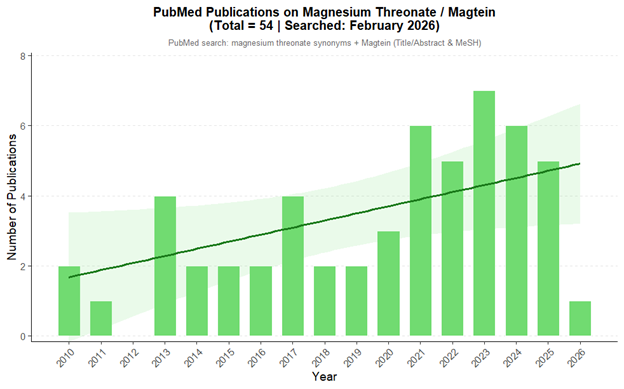
There have been 30+ peer-reviewed publications involving magnesium L-threonate since 2010, suggesting it is widely used in academic research and trusted as a source of magnesium for brain-health studies. 

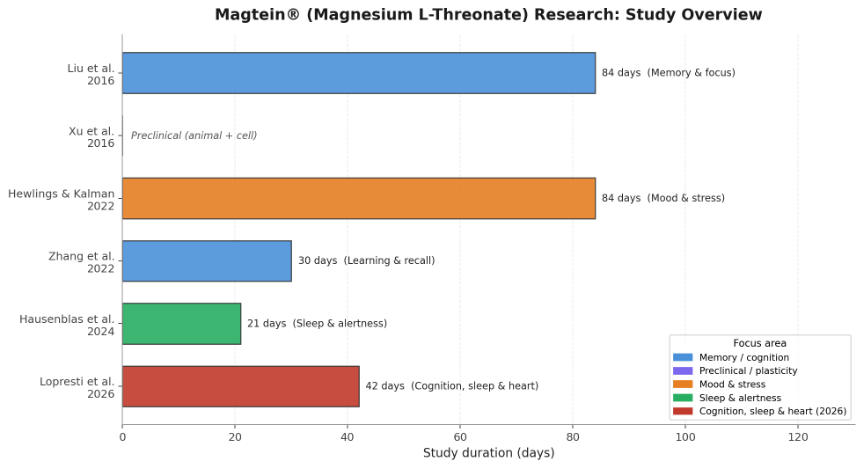
Research Overview 

Preclinical and clinical studies have explored how magnesium L-threonate supports brain magnesium levels, cognitive function and sleep quality.* 

Study Participants  Duration Focus Area Key Finding* 
Liu et al., 2016 Adults 50–70 yrs 12 weeks Memory & focus Supported improved composite cognitive scores 
Xu et al., 2016 Animal + cell models — Learning & plasticity Mechanism of action: Increased brain magnesium and synaptic density 
Hewlings & Kalman, 2022 Adults 50–70 yrs 12 weeks Mood & stress Supported improved emotional well-being 
Zhang et al., 2022 Adults 18–65 yrs 30 days Learning & recall Supported clearer thinking and recall 
Hausenblas et al., 2024 Adults 35–55 yrs 21 days Sleep & alertness Supported deeper sleep and better morning focus 
Lopresti et al., 2026 100 adults 18–45 yrs 6 weeks Cognition, sleep & heart health Improved cognition (7.5-yr reduction in cognitive age), lower HR, higher HRV, better subjective sleep 

Figure 1. Magtein® (magnesium L-threonate) studies by duration and focus area (2016–2026). 

Comparing the Two Forms 

Feature Magnesium Glycinate Magtein (Magnesium L-Threonate) 
Absorbed where Body Body and brain 
Crosses blood–brain barrier Limited evidence Supported by several published research (Liu et al., 2010) 
Main benefits Relaxation (glycine-dependent) and magnesium balance* Supports cognitive function, and sleep quality (brain magnesium support) * 
Research base Limited form-specific studies 30 + peer-reviewed publications, 9 human trials 

Both forms help maintain healthy magnesium levels, but Magtein offers additional, well-researched support for brain-related outcomes.* 

Sleep, Productivity, and Cognitive Support 

In a 21-day double-blind trial, participants taking magnesium L-threonate showed improvements in deep and REM sleep and better morning focus, mood, and next day productivity, compared with placebo (Hausenblas et al., 2024).*  

In a 6-week randomized, double-blind, placebo-controlled trial, adults taking magnesium L-threonate (Magtein®) showed significant improvements in overall cognitive performance, including working memory and reaction time, along with a reduction in estimated brain age (~7.5 years vs placebo). Participants also reported improvements in sleep-related impairment, with additional physiological benefits such as reduced resting heart rate and increased heart rate variability during sleep—markers linked to better recovery and stress balance (add the 2026 study citation) 

Magtein (magnesium L-threonate) is the only form of magnesium with a brain-health mechanism directly tied to its L-threonate component—supporting structural and functional changes in the brain, including increased synaptic density, improved neuronal signaling, and enhanced neuroplasticity, which may help explain its superior cognitive and sleep benefits. Consistent with this, additional studies link magnesium L-threonate to memory and learning support through its influence on synaptic density and neuronal signaling (Xu et al., 2016; Zhou & Liu, 2015). 

No comparable, glycinate-specific evidence has been published to date. 

The Takeaway 

Not all magnesium supplements are created equal. Many supplement products boost “elemental magnesium” on the label by using poorly absorbed magnesium oxide (MgO), which can limit real-world benefits. And while magnesium glycinate is a popular choice, it has limited clinical research for sleep and no clinical evidence for cognition compared with magnesium L-threonate—making magnesium L-threonate the more evidence-backed option when your goal is brain and sleep support. Magtein is a unique magnesium form that helps magnesium reach the brain to support focus, calm, and healthy cognitive aging — combining broad magnesium benefits with brain-targeted science.* 

These statements have not been evaluated by the Food and Drug AdministrationThis product is not intended to diagnose, treat, cure, or prevent any disease.* 

References 

  1. (1)(Passarelli S, Free CM, Shepon A, Beal T, Batis C, Golden CD. Global estimation of dietary micronutrient inadequacies: a modelling analysis. Lancet Glob Health. 2024;12(10):e1590-e1599. doi:10.1016/S2214-109X(24)00276-6. 
  1. de Baaij JHF, Hoenderop JG, Bindels RJ. Magnesium in man: implications for health and disease. Physiol Rev.2015;95(1):1-46. doi:10.1152/physrev.00012.2014. 
  1. Volpe S. L. (2013). Advances in Nutrition, 4(3), 378S–383S. 
  1. Costello R. B. et al. (2016). Advances in Nutrition, 7(3), 505–513. 
  1. Walker A. F. et al. (2003). Magnesium Research, 16(3), 183–191. 
  1. Rosanoff A. et al. (2021). Nutrients, 13(6), 1847. 
  1. Cao C. et al. (2021). Nutrients, 13(12), 4293. 
  1. Liu G. et al. (2010). Neuron, 65(2), 165–177. 
  1. Mah J, Pitre T. Oral magnesium supplementation for insomnia in older adults: a systematic review and meta-analysis. BMC Complement Med Ther. 2021;21:125. doi:10.1186/s12906-021-03297-z. 
  1. Xu Z. et al. (2016). Scientific Reports, 6, 35035. 
  1. Zhou H., & Liu G. (2015). Molecular Brain, 8(1), 23. 
  1. Zhou H. et al. (2024). Nature Communications, 15(2), 4481. 
  1. Hewlings S., & Kalman D. (2022). EC Nutrition, 17(4), 74–81. 
  1. Zhang C. et al. (2022). Nutrients, 14(11), 2301. 
  1. Hausenblas H. et al. (2024). Sleep Medicine X, 7, 100128. 
  1. Lopresti AL, Smith SJ, Ferguson D, Drummond PD. The effects of magnesium L-threonate (Magtein®) on cognitive performance and sleep quality in adults: a randomised, double-blind, placebo-controlled trial. Front Nutr. 2026;12:1729164. doi:10.3389/fnut.2025.1729164. 

The Neuroplasticity Link: How Magnesium L-Threonate Supports Synaptic Flexibility

1024 683 Riley Forbes

Neuroplasticity is the brain’s ability to adapt, remodel, and form new connections across a lifetime. It underlies how you learn new skills, recover from challenges, and maintain mental sharpness with age. At the cellular level, this adaptability depends on synaptic flexibility – the capacity of synapses (the junctions between neurons) to strengthen or weaken in response to experience.

Magnesium sits at the center of many of these processes. And a specific form, Magtein® (magnesium L-threonate), has been scientifically studied for its ability to raise magnesium levels in the brain and support synaptic plasticity and cognitive performance over time.*

What Is Neuroplasticity – and Why Does It Matter?

Neuroplasticity refers to the brain’s capacity to reorganize its structure and function in response to stimuli, learning, and experience. This process includes:

  • Synaptic plasticity – changes in the strength or number of synapses
  • Structural plasticity – growth or pruning of dendrites and axons
  • Functional plasticity – the brain’s ability to shift functions between regions when needed

Healthy neuroplasticity helps you:

  • Learn and retain new information
  • Adapt to stressors and changing environments
  • Maintain attention, working memory, and problem-solving skills
  • Support emotional flexibility and resilience*

However, plasticity does not remain constant. Aging, chronic stress, poor sleep, and suboptimal nutrition can gradually reduce synaptic density and efficiency. Over time, this may show up as “slower thinking,” mild forgetfulness, or reduced mental stamina.

Because neuroplasticity depends on tightly regulated biochemical pathways – especially those involving calcium, glutamate, and energy metabolism – nutrients that influence these systems can play a meaningful supportive role.*

Older woman experiencing stress, symbolizing how aging and lifestyle factors can affect neuroplasticity and cognitive resilience.
Stress and aging can influence neuroplasticity, making steady daily habits and nutrient support essential for maintaining cognitive flexibility.

Magnesium’s Central Role in Synaptic Function

Magnesium participates in more than 600 enzymatic reactions, many of which are concentrated in the nervous system. In the brain, magnesium helps: 

  • Regulate ion channels that control the flow of calcium, sodium, and potassium
  • Modulate key receptors, including NMDA (N-methyl-D-aspartate) and AMPA (α-amino-3-hydroxy-5-methyl-4-isoxazolepropionic acid)
  • Support ATP production in mitochondria, providing energy for synaptic signaling
  • Maintain membrane stability and healthy neuronal firing patterns

One of magnesium’s most important actions involves the NMDA receptor. At resting membrane potential, magnesium sits in the NMDA channel like a gatekeeper. When conditions are right, this “magnesium block” releases briefly, allowing calcium to flow into the neuron. This tightly controlled calcium entry is crucial for:

  • Long-term potentiation (LTP), the strengthening of synapses tied to learning and memory
  • Long-term depression (LTD), the weakening of less-used synapses to refine circuits

If magnesium levels are too low, NMDA receptors can become overactive. As a result, calcium may rush into neurons excessively, driving excitotoxic stress and impairing synaptic health over time.*

Magnesium also influences AMPA receptors, which mediate fast excitatory signaling. Balanced NMDA and AMPA activity helps maintain a healthy signal-to-noise ratio in the brain – supporting clear thinking rather than mental “static.”*

The Challenge: Raising Magnesium Levels in the Brain

Although dietary magnesium supports whole-body health, most common supplements (like magnesium oxide or citrate) have limited impact on brain magnesium levels. The brain tightly regulates what crosses the blood–brain barrier, so only certain compounds enter neural tissue efficiently. 

This is where magnesium L-threonate becomes important. Magtein pairs magnesium with L-threonic acid, a vitamin C metabolite, creating a compound that has been shown in preclinical and clinical research to:

  • Cross the blood-brain barrier
  • Increase magnesium concentrations in brain tissue
  • Support synaptic density and plasticity*

Because neuroplasticity depends on magnesium-sensitive receptors and enzymes, improving brain magnesium availability may be one strategy to support flexible, resilient neural networks across the lifespan.*

Preclinical Evidence: Magnesium L-Threonate and Synaptic Plasticity

Several animal studies provide detailed insight into how magnesium L-threonate influences synaptic structure and function.

In a landmark Neuron study, researchers elevated brain magnesium levels in rodents using magnesium L-threonate. They observed: 

  • Increased synaptic density in the hippocampus (a key memory center)
  • Enhanced long-term potentiation (LTP), reflecting stronger synaptic signaling
  • Improvements in learning tasks, working memory, and short- and long-term recall*

Mechanistically, higher brain magnesium was associated with:

  • More favorable NMDA receptor signaling
  • Increased expression of synaptic proteins involved in plasticity
  • Improved balance between excitatory and inhibitory transmission*

Other preclinical work has explored how magnesium L-threonate may help maintain synaptic integrity under stress. In a rat model, chronic administration of magnesium L-threonate supported memory and emotional behavior while normalizing inflammatory signaling pathways linked to synaptic health.

Although animal studies cannot be directly translated to humans, they offer compelling mechanistic evidence that brain-targeted magnesium can influence neuroplasticity from the synapse upward.*

Adult woman studying with focus illustrating learning, memory, and synaptic plasticity.
Learning and memory rely on strong, adaptable synapses – a process influenced by balanced magnesium levels in the brain.

Human Research: Cognitive Function and “Brain Age”

Human trials add another layer of evidence by looking at how magnesium L-threonate affects cognitive performance and daily function.

In a randomized, double-blind, placebo-controlled trial involving older adults with cognitive complaints, a magnesium L-threonate–based formula (MMFS-01) was studied for its effects on overall cognitive ability. Participants who received the formula showed statistically significant improvements in composite cognitive scores – such as working memory, executive function, and attention – compared to placebo.

Researchers proposed that these changes reflected a “reduction in brain age,” meaning that cognitive performance became more consistent with that seen in younger individuals. While this does not imply treatment of cognitive disease, it suggests that supporting brain magnesium levels may help maintain neurocognitive function within the normal aging process.*

Additionally, emerging research has examined magnesium L-threonate in the context of sleep quality and daytime functioning. In a randomized controlled trial of adults with self-reported sleep problems, magnesium L-threonate supplementation helped maintain or improve deep and REM sleep scores, next-day alertness, and mood compared with placebo.

Because deep sleep supports memory consolidation and synaptic remodeling, these findings further reinforce the idea that brain-targeted magnesium can influence neuroplasticity both directly (at the synapse) and indirectly (via sleep-dependent recovery pathways).*

How Magnesium L-Threonate May Support Synaptic Flexibility

Taken together, preclinical and clinical data suggest several ways magnesium L-threonate may support neuroplasticity and synaptic flexibility:

  1. Fine-tuning NMDA and AMPA signaling
    • Magnesium helps prevent excessive NMDA activation while still allowing the calcium signals needed for learning.
    • Balanced NMDA/AMPA activity supports adaptive synaptic strengthening rather than chronic overstimulation.*
  2. Supporting synaptic structure and density
    • Animal studies show higher brain magnesium levels correlate with increased synapse number and more robust dendritic spines in memory-related regions.*
  3. Maintaining mitochondrial energy for plasticity
    • Synaptic remodeling is energy-intensive. Magnesium is required for ATP production, so adequate levels support the energetic demands of LTP, neurotransmitter recycling, and membrane repair.*
  4. Promoting recovery during sleep
    • By supporting deeper, more restorative sleep, magnesium L-threonate may indirectly facilitate overnight synaptic “housekeeping,” when the brain consolidates memories and prunes inefficient connections.

These effects do not turn magnesium L-threonate into a “quick fix” or a treatment for neurological disease. Instead, they position it as one tool among many for supporting the brain’s natural adaptability and cognitive performance over time.*

Lifestyle Synergy: Building a Neuroplasticity-Friendly Routine

Nutrients work best when they support broader lifestyle patterns that already favor brain health. To get the most from magnesium L-threonate, consider integrating it with habits that strengthen neuroplasticity:

  • Prioritize consistent, restorative sleep
    Align your sleep schedule, dim evening light, and create a wind-down routine. Deep sleep is when much of synaptic consolidation takes place.*
  • Stay mentally engaged
    Learn new skills, practice languages, play strategy games, or engage in meaningful conversation. Challenging activities encourage the brain to build and refine neural networks.
  • Move regularly
    Aerobic exercise and strength training both promote neurotrophic factors that support plasticity and cognitive performance.*
  • Support nutrition broadly
    Emphasize magnesium-rich foods (leafy greens, legumes, nuts, seeds), omega-3 fatty acids, and colorful fruits and vegetables that provide antioxidants and polyphenols. These nutrients complement magnesium’s roles in cellular energy and redox balance.*
  • Manage stress thoughtfully
    Chronic stress can impair plasticity. Practices such as mindfulness, breathing exercises, or yoga help maintain a more balanced stress response, giving neuroplasticity room to work.*

When used alongside these habits, daily magnesium L-threonate supplementation can help maintain healthy brain magnesium levels and support the networks that underlie learning, memory, and cognitive resilience.*

Hand reaching up to magnesium supplement for supporting brain health and neuroplasticity.

Daily routines that include well-studied magnesium forms can help support long-term cognitive resilience and synaptic flexibility.

Summary: Supporting the Brain’s Capacity to Adapt

Neuroplasticity allows the brain to adjust, learn, and stay resilient throughout life. This adaptive capacity rests on healthy synapses, efficient energy metabolism, and finely tuned neurotransmission.

Magnesium L-threonate offers a research-backed way to support these processes by increasing brain magnesium levels and influencing pathways tied to synaptic density, plasticity, sleep quality, and cognitive performance.* Although it is not intended to diagnose, treat, cure, or prevent disease, it can play a meaningful supportive role when combined with nutrient-dense foods, restorative sleep, regular movement, and ongoing mental engagement.

In this way, magnesium L-threonate fits into a broader, science-based approach to long-term brain health – one that focuses on giving your nervous system the resources it needs to adapt, connect, and thrive.*

References

  1. Slutsky I, Abumaria N, Wu LJ, et al. Enhancement of Learning and Memory by Elevating Brain Magnesium. Neuron. 2010; 65(2):165–177. doi:10.1016/j.neuron.2009.12.026
  2. Liu G, Weinger JG, Lu ZL, Xue F, Sadeghpour S. “Efficacy and Safety of MMFS-01, a Synapse Density Enhancer, for Treating Cognitive Impairment in Older Adults: A Randomized, Double-Blind, Placebo-Controlled Trial.” J Alzheimer’s Dis. 2016;49:971-990.
  3. Zhou X, Huang Z, Zhang J, et al. Chronic Oral Administration of Magnesium-L-Threonate Prevents Oxaliplatin-Induced Memory and Emotional Deficits by Normalization of TNF-α/NF-κB Signaling in Rats. Neurosci Bull. 2021;37(1):55-69. doi:10.1007/s12264-020-00563-x
  4. Hausenblas H, Lynch T, Hooper S, Shrestha A, Rosendale D, Gu J. “Magnesium-L-threonate improves sleep quality and daytime functioning in adults with self-reported sleep problems: A randomized controlled trial.” Sleep Medicine: X. August 17, 2024.
  5. Gröber U, Schmidt J, Kisters K. Magnesium in Prevention and Therapy. Nutrients. 2015; 7(9):8199–8226.

These statements have not been evaluated by the Food and Drug Administration. This product is not intended to diagnose, treat, cure, or prevent any disease.

Magnesium & Sleep: How Magnesium Supports Deep and Restorative Rest

1024 683 Riley Forbes

Quality sleep influences every aspect of health, from memory and immune function to metabolic balance and emotional resilience. Yet many adults struggle to achieve truly restorative rest – even when they spend enough hours in bed. Growing research suggests that magnesium plays a meaningful role in supporting deeper sleep stages, calmer nighttime rhythms, and more refreshed mornings.*

Understanding how magnesium interacts with the brain and body can help clarify why this essential mineral contributes to night-time relaxation and recovery.

A calm night begins with balanced brain signaling, and magnesium helps support the transition from an active mind into deep, restorative sleep.

Why Sleep Quality Matters More Than Sleep Quantity

Sleep is a dynamic biological process. Throughout the night, the brain progresses through cycles of light sleep, deep sleep (slow-wave sleep), and REM sleep. Each stage supports different physiological functions:

  • Stage 2 sleep integrates memory and moderates stress responses.
  • Deep sleep supports cellular repair, metabolic recovery, immune regulation, and neurological restoration.
  • REM sleep contributes to emotional processing, cognitive flexibility, and learning.

Even a minor reduction in deep sleep can influence cognitive performance and stress resilience the next day. Because stress, nutrient deficiencies, irregular routines, and aging can disrupt sleep architecture, supporting the pathways that regulate deep sleep becomes increasingly important.

Magnesium is one of the nutrients most closely connected to these pathways.*

How Magnesium Supports Healthy Sleep Architecture

Magnesium’s impact on sleep goes far beyond “helping you relax.” It contributes to several biochemical processes that influence how the brain transitions between sleep stages and how efficiently the nervous system resets overnight.

1. Magnesium Helps Regulate Neural Excitability

Inside the nervous system, magnesium acts as a natural gatekeeper for the NMDA receptor, which is involved in excitatory signaling. When magnesium is insufficient, NMDA activity can become overly stimulated. This can make it harder to unwind at night or maintain steady sleep cycles.*

Magnesium helps modulate this excitability so the brain can shift from wakefulness into restorative sleep.

2. Magnesium Supports GABA Activity

GABA (gamma-aminobutyric acid) is the brain’s primary calming neurotransmitter. It helps slow neural firing, reduce stress signals, and promote the sense of “letting go” required for restful sleep.

Magnesium contributes to GABA receptor function and helps balance excitatory and inhibitory signaling. This balance is essential for falling asleep, staying asleep, and cycling efficiently through deep and REM sleep.*

3. Magnesium Contributes to Cortisol Rhythm Regulation

Stress is one of the most disruptive forces to sleep. Elevated nighttime cortisol can make the mind feel wired even when the body is tired. Magnesium plays a supportive role in regulating the HPA (hypothalamic-pituitary-adrenal) axis, which influences cortisol production and stress responses.*

Consistent magnesium intake may support smoother circadian transitions, especially when stress is high.*

Magnesium L-Threonate: A Brain-Focused Form That Supports Sleep

Many traditional magnesium forms primarily act in the digestive tract or muscles. However, magnesium L-threonate, also known as Magtein®, has been studied for its ability to influence magnesium levels in the brain.*

This form combines magnesium with L-threonic acid, which supports the mineral’s entry into neural tissue. Because sleep depends heavily on neurotransmitter balance and neural communication, this brain-targeted activity has become an area of scientific interest.

A 2024 randomized controlled trial published in Sleep Medicine X found that adults taking magnesium L-threonate experienced:

  • Improved sleep quality
  • Fewer nighttime awakenings
  • Better next-day focus and emotional balance*

These outcomes were measured through validated subjective questionnaires and wearable sleep-tracking devices.*

This does not mean magnesium L-threonate treats insomnia or medical sleep disorders. Instead, it suggests that optimizing brain magnesium levels may support the natural processes involved in restorative sleep.*

Sleep-tracking device showing deep-sleep stages, illustrating magnesium’s role in supporting healthy sleep cycles.

Improved deep-sleep patterns often emerge when the brain maintains healthy magnesium levels supported by research-backed forms like magnesium L-threonate.

Magnesium and Deep Sleep: The Most Restorative Stage

Deep sleep – or slow-wave sleep – is particularly sensitive to magnesium status. During this stage, the brain clears metabolic waste, strengthens neural pathways, and supports immune activity. Meanwhile, the body repairs muscle tissue, regulates glucose metabolism, and balances hormones.*

Magnesium supports deep sleep by:

  • Facilitating muscle relaxation
  • Supporting parasympathetic nervous system activity
  • Modulating NMDA receptor behavior
  • Promoting steady GABA signaling
  • Supporting physiological restoration during overnight recovery*

When magnesium intake is low, these pathways may not function as efficiently, contributing to fragmented sleep or reduced time in slow-wave stages.

Who May Benefit From Magnesium Support?

Several groups may experience increased magnesium needs:

  • Adults under chronic stress (magnesium excretion rises with stress)
  • Individuals with low dietary intake, especially those eating fewer leafy greens, nuts, seeds, or legumes
  • Older adults, who may absorb less magnesium from food
  • Athletes, who lose magnesium through sweat
  • Heavy caffeine consumers, as caffeine increases urinary magnesium loss

Supporting magnesium balance through food and clinically studied supplementation may help support natural sleep mechanisms.*

How to Support Magnesium for Healthy Sleep

1. Eat Magnesium-Rich Foods

Leafy greens, pumpkin seeds, almonds, beans, avocados, and whole grains provide foundational support.

2. Pair Magnesium With Consistent Evening Routines

Gentle stretching, dim lighting, and predictable bedtimes reinforce circadian signals.

3. Support Brain Pathways With Magnesium L-Threonate

For cognitive calm and nighttime relaxation, magnesium L-threonate may support healthy neural signaling related to sleep quality.*

4. Maintain Stress-Management Habits

Meditation, deep breathing, or time spent outdoors may help regulate the stress response and complement magnesium’s effects.*

5. Keep Caffeine Earlier in the Day

This prevents interference with magnesium absorption and circadian rhythm.

Woman sleeping peacefully in bed, symbolizing magnesium’s role in supporting restorative nightly rest.
Consistent magnesium support helps promote calmer nights, deeper rest, and steadier morning energy for daily resilience.

A Foundation for Deep, Restorative Sleep

When it comes to achieving deep and restorative sleep, magnesium plays a meaningful role in supporting the body’s natural relaxation pathways. By helping regulate neurotransmitters, calming neural activity, and maintaining healthy circadian rhythms, it contributes to more consistent and restorative rest. However, the benefits are strongest when combined with supportive daily habits – such as balanced nutrition, a steady sleep schedule, regular movement, and effective stress management. Together, these practices create a stable foundation for healthier sleep patterns and greater next-day clarity. For many adults, maintaining optimal magnesium status through food and evidence-based supplementation offers an accessible way to strengthen long-term sleep quality and overall well-being.*

References

  1. Hausenblas HA, Lynch T, Hooper S, Shrestha A, Rosendale D, Gu J. Magnesium-L-threonate improves sleep quality and daytime functioning in adults with self-reported sleep problems: A randomized controlled trial. Sleep Med X. 2024;8:100121.
  2. Abbasi B, Kimiagar M, Sadeghniiat K, et al. The effect of magnesium supplementation on primary insomnia in elderly adults: A double-blind placebo-controlled clinical trial. J Res Med Sci. 2012;17(12):1161-1169.
  3. Gröber U, Schmidt J, Kisters K. Magnesium in prevention and therapy. Nutrients. 2015;7(9):8199-8226.
  4. National Institutes of Health. Magnesium—Fact Sheet for Health Professionals. https://ods.od.nih.gov/factsheets/Magnesium-HealthProfessional/. Accessed 2025.

These statements have not been evaluated by the Food and Drug Administration. This product is not intended to diagnose, treat, cure, or prevent any disease.

12 Tips to Reduce Stress During the Holidays

1024 683 Riley Forbes

The holiday season is often portrayed as joyful and restorative. However, for many adults, it brings more pressure than peace. In fact, according to a recent survey, nearly 70% of Americans report elevated stress during this time. As a result, emotional strain, disrupted sleep, and tense schedules can quickly overshadow meaningful moments. Fortunately, understanding why stress spikes during the holidays creates an opportunity to support both balance and well-being.*

Stressed woman, at home for Christmas, sitting on sofa in front of Christmas tree.

Holiday demands can overwhelm even the calmest routines, making stress management essential for emotional balance.

How Stress Affects the Body

When stress becomes chronic, it activates the body’s fight-or-flight system far more often than intended. Consequently, cortisol remains elevated, which can influence sleep, digestion, and emotional balance. Prolonged stress may reduce magnesium levels through increased urinary loss, creating a cycle of heightened tension. Because of this, supporting the body with consistent stress-relief habits becomes essential for long-term well-being. Below are 12 science-backed strategies to help you move through the season with more calm, clarity, and resilience.*

1. Prioritize Consistent Sleep

Sleep is one of the strongest regulators of the stress response. Inadequate sleep can elevate cortisol and disrupt the balance of calming neurotransmitters like GABA.
Aim for a consistent bedtime and limit bright light exposure in the evening to support natural melatonin rhythms.

2. Support Your Nervous System With Magnesium

Magnesium helps regulate neural excitability and supports the pathways involved in stress adaptation. Low magnesium levels are associated with heightened stress reactivity. Research suggests that magnesium L-threonate (Magtein®) – a scientifically studied form – may help support calm, cognitive clarity, and overall stress resilience by increasing magnesium levels in brain tissue.*

Woman holding supplements that support calm and cognitive balance during stressful seasons.

Nutritional support, including magnesium, can help maintain balance during busy holiday months.

3. Use Breathwork to Reduce Acute Stress

Slow, diaphragmatic breathing activates the parasympathetic (“rest-and-digest”) system. Studies show that paced breathing around 5-6 breaths per minute can lower perceived stress and support emotional balance.

4. Maintain Balanced Blood Sugar

Large swings in glucose can increase irritability, fatigue, and stress sensitivity. Eating balanced meals – containing protein, fiber, and healthy fats – helps stabilize energy and mood throughout the day.

5. Move Daily (Even Briefly)

Physical activity increases endorphins and supports neurotransmitter balance. Even 10-20 minutes of brisk walking or resistance training can ease muscle tension and promote calm.

6. Set Boundaries Around Obligations

Holiday commitments can escalate quickly. Politely limiting overextended schedules supports emotional clarity and prevents burnout. Consider setting a maximum number of weekly events or creating designated downtime windows.

7. Lean on Omega-3 and Antioxidant-Rich Foods

Omega-3 fatty acids help support inflammatory balance and cellular resilience. Similarly, vitamin C – rich foods (like citrus, bell peppers, berries) support antioxidant capacity, which may help buffer the effects of chronic stress.*

8. Keep Hydration Steady

Dehydration increases cortisol levels and can impair cognitive performance. Drinking water throughout the day supports energy, mood, and metabolic stability.⁶

9. Practice “Micro-Recovery Moments”

Short stress-relief breaks – such as stretching for 60 seconds, walking outside for two minutes, or closing your eyes for five slow breaths – help reset the nervous system and reduce accumulated tension.

10. Incorporate Mindfulness or Meditation

Mindfulness practices can reduce rumination and support emotional balance by enhancing prefrontal cortex activity. Apps, guided meditations, or simple present-moment awareness are effective tools during busy periods.

Woman practicing mindfulness to support emotional resilience during the holiday season.
Mindfulness and intentional habits help strengthen resilience and promote a calmer holiday experience.

11. Support Cognitive Calm With Research-Backed Nutrients

Magnesium L-threonate has been studied for its ability to elevate brain magnesium levels, which support cognitive processes involved in mood, focus, and stress adaptation.*
Some individuals find that consistent daily intake helps maintain calm neural activity during high-pressure seasons.*

12. Create a Personalized Holiday Routine

Choosing one to three stress-reduction habits and practicing them daily can create meaningful improvement. Whether it’s an evening wind-down routine, morning stretching, intentional meal planning, or consistent supplementation, structure supports emotional stability across the season.

Summary: A More Balanced Holiday Season

Stress may be common during the holidays, yet it does not have to overshadow your well-being. With intentional habits, mindful planning, and targeted nutritional support, it becomes easier to maintain emotional balance. Ultimately, by incorporating small, consistent practices – including adequate magnesium intake – you can move through the season with greater calm, clarity, and resilience.*

References

  1. American Psychological Association. Stress in America 2024 Report. Washington, DC: APA; 2024.
  2. Meerlo P, Sgoifo A, Suchecki D. Chronic sleep restriction and stress: A review. Sleep Med Rev. 2008;12(5):357-371.
  3. Boyle NB, Lawton C, Dye L. The effects of magnesium supplementation on stress and mood: A systematic review. Nutrients. 2017;9(5):429.
  4. Zaccaro A, Piarulli A, Laurino M, et al. How breath-control can change your life: A systematic review. Front Hum Neurosci. 2018;12:353.
  5. Grosso G, Pajak A, Marventano S, et al. Role of omega-3 fatty acids in the treatment of depressive disorders. Int J Mol Sci. 2014;15(12):21905-21928.
  6. Pross N, Demazières A, Girard N, et al. Influence of progressive fluid restriction on mood and physiological markers. Br J Nutr. 2013;109(2):313–321.
  7. Creswell JD. Mindfulness interventions. Annu Rev Psychol. 2017;68:491–516.

These statements have not been evaluated by the Food and Drug Administration. This product is not intended to diagnose, treat, cure, or prevent any disease.

Topical Magnesium -Oils, Lotions, and Epsom Salt Baths: Do They Work?

646 438 Riley Forbes

Magnesium plays a central role in muscle function, stress regulation, sleep quality, and overall cellular health. Because of this, many people look for simple ways to support magnesium levels – especially during busy or stressful seasons. One option that continues to gain popularity is topical magnesium, including oils, lotions, sprays, and Epsom salt baths.

But an important question remains:

Can magnesium applied to the skin meaningfully increase magnesium levels in the body, or are oral forms still more effective?

Below, we explore what science currently shows about topical magnesium, how the skin barrier influences absorption, and where these products may fit into a broader magnesium routine.*

Epsom salt baths offer relaxation benefits, even though magnesium absorption through the skin remains limited.

Topical magnesium is appealing for several reasons. Many individuals prefer it because it feels soothing to the skin, helps create a calming ritual, or offers a way to target specific muscle areas. Some also choose it if they struggle with digestive sensitivity or dislike swallowing capsules.

As these products have grown in popularity, so has the belief that they can bypass the digestive tract and raise magnesium levels quickly. However, research suggests the story is more complex.

The Skin Barrier: What Science Says About Absorption

The skin’s outermost layer – the stratum corneum – is designed to be protective. It prevents water loss and blocks most substances, including minerals, from entering the bloodstream. Because magnesium carries an electrical charge (Mg²⁺), it has difficulty crossing through this lipid-rich barrier.

Several reviews note that significant increases in serum or intracellular magnesium from topical products have not been consistently shown in well-controlled human studies.*

A few small trials have suggested modest changes in magnesium markers, yet many lack placebo groups or standardized dosing. As a result, current evidence remains limited and inconsistent.

By contrast, oral forms – especially well-studied options such as magnesium L-threonate (Magtein®) – have demonstrated reliable effects on systemic or brain magnesium levels.*

Epsom Salt Baths: Relaxing, but How Much Is Absorbed?

Epsom salts (magnesium sulfate) have long been used to support relaxation and ease occasional muscle tightness. Warm baths naturally promote circulation, loosen muscles, and encourage parasympathetic (“rest-and-digest”) activity.

Although these benefits can feel significant, evidence for magnesium absorption through the skin remains mixed. Older studies suggested slight increases in serum magnesium, but later research has not consistently reproduced those results.

Therefore, many of the relaxing effects of an Epsom salt bath likely come from:

  • Warm water improving blood flow
  • Heat relaxing muscle tissue
  • Stress relief through quiet, uninterrupted time
Warm Epsom salt baths help soothe muscles and support relaxation, even if magnesium uptake is minimal.

Topical Magnesium Oils and Lotions: What They May Support

Even without strong evidence for large changes in magnesium status, topical magnesium can still play a meaningful role in daily routines. Many users appreciate these products for:

Localized Comfort

Topical sprays or oils may feel soothing on tense areas. This effect often results from gentle massage, hydration, or calming botanicals included in some formulas.

Nighttime Relaxation

Applying magnesium lotion before bed may help create a calming ritual, which can support better sleep hygiene.

Complementary Support

Topical magnesium fits well alongside oral supplementation – especially for routines centered on stress management, mood balance, or cognitive performance.*

Why Oral Magnesium Continues to Be the Most Effective Option

To influence magnesium levels inside cells, magnesium must reach the bloodstream in meaningful amounts. Oral magnesium supplements, particularly well-absorbed forms, continue to demonstrate the strongest evidence for supporting:

  • Relaxation and stress balance
  • Energy production
  • Sleep quality
  • Cognitive performance and memory*

Magtein (magnesium L-threonate) is especially notable because it was designed to cross the blood–brain barrier efficiently and support magnesium concentrations in neurons.*

Where Topical Magnesium Fits in a Balanced Routine

Topical magnesium may not significantly raise magnesium levels, but it can still contribute to a well-rounded wellness plan. When combined with consistent habits, topical forms may enhance relaxation and offer targeted comfort.

For a comprehensive approach, consider:

  • Eating magnesium-rich foods
  • Staying hydrated
  • Maintaining consistent sleep habits
  • Practicing stress-reducing techniques
  • Using evidence-based oral magnesium supplements when helpful*

Together, these strategies help support both physical and cognitive well-being through daily magnesium balance.

Topical magnesium oils and lotions may provide localized comfort and relaxation as part of a balanced wellness routine.

The Bottom Line

Topical magnesium oils, lotions, and Epsom salt baths can offer soothing and relaxing experiences. Still, current research does not strongly support meaningful increases in systemic magnesium levels through the skin.

Oral magnesium – especially Magtein (magnesium L-threonate) – remains the most reliable and well-studied option for supporting cognitive clarity, stress resilience, and overall magnesium balance.*

However, topical forms can still be enjoyable tools within a relaxation routine, providing comfort and sensory benefits that complement internal magnesium support.

References

  1. Gröber U, Schmidt J, Kisters K. Magnesium in prevention and therapy. Nutrients. 2015;7(9):8199–8226.
  2. Whelan AM, Sabanathan D, Dhingra R, et al. Topical magnesium for chronic pain and muscle soreness: A systematic review. J Integr Med. 2022;20(5):400–408.
  3. Cresswell J, et al. Transdermal magnesium: Short review of efficacy and safety. Open Sports Sci J. 2020;13:1–7.
  4. Mayo Clinic Staff. Magnesium: Dietary supplement fact sheet. Mayo Clinic. Accessed 2025.
  5. National Institutes of Health. Magnesium – Fact Sheet for Health Professionals. https://ods.od.nih.gov/factsheets/Magnesium-HealthProfessional/. Accessed 2025.

These statements have not been evaluated by the Food and Drug Administration. This product is not intended to diagnose, treat, cure, or prevent any disease.

How Medications Affect Magnesium Levels (and What to Know)

614 420 Riley Forbes

Magnesium is a cornerstone mineral for health, essential for more than 600 enzymatic reactions in the human body. It plays a role in energy metabolism, cardiovascular function, stress response, and sleep regulation. However, magnesium balance can be disrupted by a variety of factors – including certain commonly used medications.

Long-term or frequent medication use can subtly deplete magnesium levels over time. Understanding which medications influence magnesium metabolism helps you take proactive steps to maintain balance and support overall wellness.*

An older man consults his doctor about medications and maintaining healthy magnesium levels.

Why Magnesium Depletion Occurs

Magnesium levels in the body are regulated through absorption in the gut, storage in bones and cells, and excretion through the kidneys. Some medications interfere with one or more of these processes – either by reducing absorption, increasing urinary loss, or altering how magnesium is distributed within tissues.

Because magnesium supports nerve transmission, muscle relaxation, and energy production, even mild depletion can affect how you feel daily. Over time, suboptimal levels may contribute to fatigue, muscle cramps, irritability, and difficulty sleeping.*

Who’s Most at Risk for Magnesium Depletion from Medications

Not everyone experiences the same degree of magnesium loss from medications. Certain populations may be more susceptible due to differences in metabolism, lifestyle, or overall health status.

Those most at risk include:

  • Older adults: Magnesium absorption efficiency naturally declines with age, and many older adults take multiple medications that compound this effect.
  • Individuals with digestive disorders: Conditions like celiac disease, inflammatory bowel disease, or chronic diarrhea can reduce magnesium uptake in the intestine.
  • People under chronic stress: Elevated cortisol levels increase urinary magnesium losses and may amplify medication-related depletion.
  • Athletes or individuals with high sweat output: Since magnesium is lost through perspiration, those with active lifestyles may have lower baseline reserves.
  • Individuals on long-term prescriptions: Continuous use of medications like diuretics or PPIs increases the cumulative effect on magnesium balance over time.*

Recognizing these factors allows for more targeted monitoring and prevention strategies.*

Medications That May Lower Magnesium Levels

1. Diuretics (Water Pills)

Loop and thiazide diuretics, often prescribed for high blood pressure or heart failure, increase magnesium loss through urine. When magnesium excretion rises, serum levels can gradually decline. Combining magnesium-rich foods or supplementation may help maintain balance under medical supervision.*

2. Proton Pump Inhibitors (PPIs)

PPIs – commonly used for acid reflux and GERD – reduce stomach acidity, which impairs magnesium absorption in the intestine. Chronic PPI use has been associated with low serum magnesium levels, especially in older adults or those taking other magnesium-depleting medications.*

3. Certain Antibiotics

Medications in the aminoglycoside and macrolide classes can interfere with kidney reabsorption of magnesium, increasing losses through the urine. This effect typically appears with prolonged or high-dose antibiotic use.*

4. Oral Contraceptives and Hormone Therapies

Estrogen-containing medications influence magnesium utilization and retention. Some studies suggest that women taking oral contraceptives may have lower magnesium concentrations, which could affect mood stability or muscle tension over time.*

5. Chemotherapy Agents

Certain cancer therapies, such as cisplatin, can significantly deplete magnesium by damaging renal tubular cells. Patients receiving these treatments often require close monitoring of magnesium and other electrolytes to maintain balance.*

6. Insulin and Blood Sugar-Lowering Medications

Magnesium plays an essential role in glucose metabolism. Some insulin therapies and glucose-lowering drugs influence magnesium uptake in cells, contributing to fluctuations in magnesium status. Maintaining balanced magnesium levels helps support metabolic health and insulin sensitivity.*

Certain medications can lower magnesium levels, making nutrient balance essential for long-term wellness.

How to Support Magnesium Balance While Taking Medications

The good news is that nutrient balance can be maintained with intentional strategies. Consider the following evidence-based steps:

1. Monitor Your Magnesium Status

If you take any long-term medications, ask your healthcare provider about periodic magnesium testing – especially if you experience fatigue, muscle weakness, or sleep disturbances.

2. Focus on Magnesium-Rich Foods

Include leafy greens, nuts, seeds, legumes, avocados, and dark chocolate regularly. These whole foods not only provide magnesium but also supply cofactors such as vitamin B6 and antioxidants that support absorption.*

3. Consider Clinically Studied Supplementation

For individuals with higher magnesium demands, supplementation can help restore balance. Magtein® (magnesium L-threonate) offers a unique advantage – it effectively crosses the blood–brain barrier, supporting not only magnesium levels but also focus, memory, and mood regulation.*

4. Stay Hydrated and Balanced

Because magnesium works closely with other electrolytes – such as potassium and calcium – maintaining proper hydration and balanced nutrition is essential.

5. Collaborate With Your Healthcare Provider

Always discuss any supplements or dietary changes with your practitioner, particularly if you take prescription medications. Personalized guidance ensures safety and effective nutrient management.*

The Bottom Line

Medication-induced magnesium depletion is common but often overlooked. Because magnesium supports muscle, nerve, and brain function, maintaining healthy levels is key to overall vitality. Through mindful nutrition, consistent hydration, and evidence-based supplementation, it’s possible to restore balance and support long-term well-being – even while taking necessary medications.*

Staying hydrated and supporting magnesium balance helps promote energy and overall vitality.

References

  1. Gröber U, Schmidt J, Kisters K. Magnesium in Prevention and Therapy. Nutrients. 2015;7(9):8199–8226.
  2. Markovits N, Loebstein R, Halkin H, et al. Proton pump inhibitors-induced hypomagnesemia: A new challenge. Drug Saf. 2014;37(5):391–403.
  3. Firoz M, Graber M. Bioavailability of US commercial magnesium preparations. Magnes Res. 2001;14(4):257–262.
  4. Guo X, et al. Association between diuretic use and magnesium deficiency: Evidence from clinical and experimental studies. Nutrients. 2022;14(4):811–823.
  5. National Institutes of Health. Magnesium – Fact Sheet for Health Professionals. https://ods.od.nih.gov/factsheets/Magnesium-HealthProfessional/. Accessed 2025.

These statements have not been evaluated by the Food and Drug Administration. This product is not intended to diagnose, treat, cure, or prevent any disease.

Magnesium for Mood Support: The Link Between Stress and Neurotransmitters

610 404 Riley Forbes

Stress in Modern Life: A Growing Concern

In today’s fast-paced world, feeling stressed has become the norm rather than the exception. According to a 2024 report from the American Psychological Association, over 70% of Americans said they feel significant stress about the future of the country, while many also listed personal finances and the economy as major contributors. For many, the sense of being constantly “on” has quietly become a daily experience.

A little bit of stress can actually be useful. Known as hormetic stress, short bursts of challenge help the body adapt and build resilience. However, when that stress becomes continuous – without enough time to recover – it can start to take a toll. Chronic stress keeps the body’s “fight-or-flight” system active for too long, draining energy reserves and disrupting mood, sleep, and focus over time.

Young woman feeling stressed and fatigued, representing magnesium depletion and chronic stress impact on mood.
Chronic stress depletes magnesium and strains the nervous system – supporting magnesium balance can help restore calm and focus.*

Physiologically, the stress response is meant to protect us. It sharpens attention and speeds reaction time in emergencies. Yet when the same system is triggered day after day, cortisol and adrenaline stay elevated. This can gradually affect everything from appetite and digestion to immune strength and emotional stability. Many people notice subtle shifts first – trouble concentrating, irritability, or waking up unrefreshed – even before realizing stress may be the underlying cause.

While lifestyle strategies such as mindfulness, movement, and social connection remain the foundation of stress management, nutritional balance plays a powerful supporting role. Among the key nutrients involved in how the body and brain handle stress, magnesium stands out as one of the most essential – and most commonly depleted.*

Understanding the Connection Between Magnesium and Mood

Magnesium is widely recognized for its role in muscle and heart function, but its influence on emotional well-being is equally significant. Within the brain, magnesium acts as a regulatory mineral, supporting the balance of neurotransmitters that govern mood, focus, and stress response. It helps maintain calm neural activity while preventing overstimulation of excitatory pathways.*

Research shows that magnesium levels can decline under chronic stress, creating a feedback loop that makes the body more reactive to future stressors. Supporting magnesium balance through nutrition and clinically studied supplementation can help maintain resilience during challenging periods.*

Woman holding magnesium supplement capsule and bottle symbolizing daily supplementation for stress and mood support.
Clinically studied magnesium supplements like Magtein support stress resilience, mood balance, and daily mental clarity.*

The Biochemistry of Stress and Mood Regulation

The Stress Response System

When faced with stress, the body activates the hypothalamic-pituitary-adrenal (HPA) axis, releasing cortisol and other stress hormones. While this is an essential survival mechanism, chronic activation can strain the nervous system and alter neurotransmitter balance.

Magnesium supports homeostasis by moderating the release of stress hormones and maintaining normal HPA-axis function. It also enhances the brain’s sensitivity to calming neurotransmitters like gamma-aminobutyric acid (GABA) and tempers excitatory signals from glutamate.*

Neurotransmitter Modulation

Neurotransmitters such as serotonin, dopamine, and GABA communicate across synapses to regulate mood and cognitive clarity. Magnesium acts as a natural cofactor in these signaling processes, ensuring balanced transmission between neurons.

Inadequate magnesium can lead to overstimulation of NMDA (N-methyl-D-aspartate) receptors, which increases neural excitability. Over time, this imbalance may contribute to irritability, anxious feelings, or difficulty focusing. Conversely, sufficient magnesium levels promote calm, steady neural activity that supports relaxation and mental resilience.*

Magnesium L-Threonate: A Brain-Targeted Form for Mood Support

While many magnesium forms support the body, Magtein® (magnesium L-threonate) specifically targets the brain. Developed by MIT researchers, Magtein crosses the blood–brain barrier efficiently, increasing magnesium concentrations in neurons.

This brain-focused delivery supports neurotransmitter balance and synaptic plasticity—two critical processes that influence emotional regulation. In clinical studies, participants supplementing with magnesium L-threonate reported improvements in cognitive function, mood balance, and sleep quality, compared to baseline results.*

Lifestyle Synergy: Supporting Stress Resilience Naturally

Magnesium’s effects work best alongside daily habits that nourish both mind and body. Small, consistent actions can significantly influence emotional balance over time:

  • Prioritize Restorative Sleep: Deep sleep allows for neurotransmitter recovery and magnesium-dependent neural repair.
  • Stay Active: Regular movement enhances endorphin release and supports circulation to the brain.
  • Maintain Balanced Nutrition: Include magnesium-rich foods such as leafy greens, avocado, pumpkin seeds, and legumes.
  • Practice Mindfulness or Deep Breathing: These help lower cortisol and promote parasympathetic activity.
  • Stay Consistent: Regular intake of magnesium – whether through food or clinically studied supplementation – helps sustain equilibrium across stressful periods.*
Woman meditating indoors showing relaxation and mindfulness supported by magnesium for stress management.
Mindfulness, movement, and magnesium work together to promote calm focus, emotional balance, and long-term stress resilience.*

By combining these approaches, individuals can foster a calmer nervous system and support a more stable mood throughout the day.*

The Takeaway: Balance, Resilience, and Calm

Magnesium plays a pivotal role in emotional regulation and stress adaptation. By influencing neurotransmitter balance and supporting the brain’s relaxation pathways, it helps maintain calm under pressure and promotes steady emotional resilience.*

Although magnesium deficiency is common, understanding its role empowers you to take simple steps – through diet, supplementation, and lifestyle – to restore balance. The result is a foundation for better focus, improved mood, and a more resilient response to life’s daily demands.*

References

  1. American Psychological Association. Stress in America 2024: Main Findings. Washington, D.C.; 2024.
  2. Gröber U, Schmidt J, Kisters K. Magnesium in Prevention and Therapy. Nutrients. 2015;7(9):8199–8226.
  3. Hausenblas HA, Lynch T, Hooper S, et al. Magnesium-L-Threonate Improves Sleep Quality and Daytime Functioning in Adults with Self-Reported Sleep Problems. Sleep Med X. 2024;8:100121.
  4. Slutsky I, et al. Enhancement of Learning and Memory by Elevating Brain Magnesium. Neuron. 2010;65(2):165–177.
  5. National Institutes of Health. Magnesium – Fact Sheet for Health Professionals. https://ods.od.nih.gov/factsheets/Magnesium-HealthProfessional/ Accessed 2025.

These statements have not been evaluated by the Food and Drug Administration. This product is not intended to diagnose, treat, cure, or prevent any disease.

The Different Forms of Magnesium and Why Magtein® Stands Apart

610 408 Riley Forbes

Understanding Magnesium’s Role in the Body

Magnesium is one of the most abundant minerals in the human body, involved in more than 600 enzymatic reactions. It supports energy production, muscle function, nerve signaling, and DNA synthesis. Because magnesium influences nearly every physiological system, balanced levels are essential for overall health and resilience.*

However, not all magnesium supplements act the same way. The compound that magnesium is bonded to determines how well it is absorbed, tolerated, and delivered to specific tissues. Understanding these differences can help you choose a formula that matches your individual goals – whether for muscle recovery, relaxation, or cognitive performance.*

With so many magnesium options available, understanding how each form works helps simplify your choice and ensure optimal nutrient support.*

Common Forms of Magnesium and Their Benefits

1. Magnesium Oxide

Magnesium oxide offers a high percentage of elemental magnesium, but it absorbs poorly in the digestive tract. Therefore, it is often used as a gentle osmotic laxative to support occasional constipation.*

2. Magnesium Citrate

This form combines magnesium with citric acid, improving solubility and absorption. It is widely used to promote regularity and ease muscle tension. However, higher doses may sometimes cause mild gastrointestinal discomfort.*

3. Magnesium Glycinate (or Bisglycinate)

Bound to the amino acid glycine, this form is both highly bioavailable and gentle on the stomach. It is a great choice for promoting relaxation, restful sleep, and balanced nervous system activity.*

4. Magnesium Malate

Magnesium malate binds magnesium to malic acid, a compound that supports energy metabolism in the Krebs cycle. This form is often preferred for promoting steady daytime energy and supporting muscle endurance.*

5. Magnesium Taurate

This form combines magnesium with taurine, an amino acid that helps regulate vascular tone and cardiac rhythm. As a result, magnesium taurate may help support cardiovascular and metabolic health.*

6. Magnesium L-Threonate (Magtein)

Developed by MIT researchers, Magtein combines magnesium with L-threonic acid, a metabolite of vitamin C. This structure allows magnesium to cross the blood–brain barrier efficiently, increasing magnesium concentrations in neurons. Magtein supports cognitive clarity, memory, and learning by influencing brain magnesium balance and synaptic plasticity.*

Why Magtein Stands Apart

Targeted Brain Delivery

Unlike other magnesium forms that act mainly in muscles or the digestive system, Magtein was engineered to reach the central nervous system. Its L-threonic acid component enhances transport across the blood–brain barrier, allowing magnesium to enter neurons directly. Once inside, it helps sustain focus, memory, and overall neural efficiency.*

Backed by Clinical Research

Multiple human studies – including those published in Neuron (2010), Journal of Alzheimer’s Disease (2016), and Sleep Medicine X (2024) – demonstrate that magnesium L-threonate may:

  • Support working memory and cognitive flexibility*
  • Promote relaxation and improve sleep quality*
  • Enhance next-day focus and balanced mood*

Together, these findings emphasize Magtein’s ability to elevate brain magnesium levels and reinforce long-term cognitive health.*

Synergy with Daily Habits

Magtein works best when paired with consistent, health-focused routines. Combining supplementation with balanced nutrition, regular exercise, and restorative sleep improves magnesium utilization. Including magnesium-rich foods – such as leafy greens, legumes, and nuts – also reinforces mineral balance.

Additionally, staying hydrated and managing stress help sustain magnesium levels. Practices like mindfulness or light stretching can further enhance magnesium’s positive effects on focus and calm.*

Whole-food sources of magnesium, combined with balanced habits, help sustain calm focus and reinforce the benefits of daily Magtein use.*

Choosing the Right Form for Your Goals

While many magnesium forms promote general wellness, Magtein (magnesium L-threonate) is uniquely designed to reach the brain and optimize neural health. Unlike forms that primarily act in muscles or the digestive tract, Magtein targets cognitive performance – helping preserve focus, clarity, and long-term memory.*

Traditional forms of magnesium – such as citrate, glycinate, or oxide – mainly influence muscle comfort or relaxation. These remain valuable for physical wellness, yet they don’t significantly increase brain magnesium levels. In contrast, Magtein crosses the blood–brain barrier to raise magnesium concentration inside neurons, supporting synaptic plasticity and healthy cognitive aging.*

When the goal is sharper focus, calmer mood, and more restorative sleep, Magtein offers a complete, science-based solution. It fits naturally into daily wellness routines and complements nutrient-dense meals, regular movement, and mindfulness for balanced, whole-body vitality.*

References

  1. Slutsky I, Abumaria N, Wu LJ, et al. Enhancement of Learning and Memory by Elevating Brain Magnesium. Neuron. 2010; 65(2):165–177. doi:10.1016/j.neuron.2009.12.026
  2. Liu G, Weinger JG, Lu ZL, Xue F, Sadeghpour S. “Efficacy and Safety of MMFS-01, a Synapse Density Enhancer, for Treating Cognitive Impairment in Older Adults: A Randomized, Double-Blind, Placebo-Controlled Trial.” J Alzheimer’s Dis. 2016;49:971-990.
  3. Hausenblas H, Lynch T, Hooper S, Shrestha A, Rosendale D, Gu J. “Magnesium-L-threonate improves sleep quality and daytime functioning in adults with self-reported sleep problems: A randomized controlled trial.” Sleep Medicine: X. August 17, 2024.
  4. Gröber U, Schmidt J, Kisters K. Magnesium in Prevention and Therapy. Nutrients. 2015; 7(9):8199–8226.
  5. National Institutes of Health. Magnesium – Fact Sheet for Health Professionals. https://ods.od.nih.gov/factsheets/Magnesium-HealthProfessional/. Accessed 2025.

These statements have not been evaluated by the Food and Drug Administration. This product is not intended to diagnose, treat, cure, or prevent any disease.