

Posts Tagged :

Stress Relief

12 Tips to Reduce Stress During the Holidays

1024 683 Riley Forbes

The holiday season is often portrayed as joyful and restorative. However, for many adults, it brings more pressure than peace. In fact, according to a recent survey, nearly 70% of Americans report elevated stress during this time. As a result, emotional strain, disrupted sleep, and tense schedules can quickly overshadow meaningful moments. Fortunately, understanding why stress spikes during the holidays creates an opportunity to support both balance and well-being.*

Stressed woman, at home for Christmas, sitting on sofa in front of Christmas tree.

Holiday demands can overwhelm even the calmest routines, making stress management essential for emotional balance.

How Stress Affects the Body

When stress becomes chronic, it activates the body’s fight-or-flight system far more often than intended. Consequently, cortisol remains elevated, which can influence sleep, digestion, and emotional balance. Prolonged stress may reduce magnesium levels through increased urinary loss, creating a cycle of heightened tension. Because of this, supporting the body with consistent stress-relief habits becomes essential for long-term well-being. Below are 12 science-backed strategies to help you move through the season with more calm, clarity, and resilience.*

1. Prioritize Consistent Sleep

Sleep is one of the strongest regulators of the stress response. Inadequate sleep can elevate cortisol and disrupt the balance of calming neurotransmitters like GABA.
Aim for a consistent bedtime and limit bright light exposure in the evening to support natural melatonin rhythms.

2. Support Your Nervous System With Magnesium

Magnesium helps regulate neural excitability and supports the pathways involved in stress adaptation. Low magnesium levels are associated with heightened stress reactivity. Research suggests that magnesium L-threonate (Magtein®) – a scientifically studied form – may help support calm, cognitive clarity, and overall stress resilience by increasing magnesium levels in brain tissue.*

Woman holding supplements that support calm and cognitive balance during stressful seasons.

Nutritional support, including magnesium, can help maintain balance during busy holiday months.

3. Use Breathwork to Reduce Acute Stress

Slow, diaphragmatic breathing activates the parasympathetic (“rest-and-digest”) system. Studies show that paced breathing around 5-6 breaths per minute can lower perceived stress and support emotional balance.

4. Maintain Balanced Blood Sugar

Large swings in glucose can increase irritability, fatigue, and stress sensitivity. Eating balanced meals – containing protein, fiber, and healthy fats – helps stabilize energy and mood throughout the day.

5. Move Daily (Even Briefly)

Physical activity increases endorphins and supports neurotransmitter balance. Even 10-20 minutes of brisk walking or resistance training can ease muscle tension and promote calm.

6. Set Boundaries Around Obligations

Holiday commitments can escalate quickly. Politely limiting overextended schedules supports emotional clarity and prevents burnout. Consider setting a maximum number of weekly events or creating designated downtime windows.

7. Lean on Omega-3 and Antioxidant-Rich Foods

Omega-3 fatty acids help support inflammatory balance and cellular resilience. Similarly, vitamin C – rich foods (like citrus, bell peppers, berries) support antioxidant capacity, which may help buffer the effects of chronic stress.*

8. Keep Hydration Steady

Dehydration increases cortisol levels and can impair cognitive performance. Drinking water throughout the day supports energy, mood, and metabolic stability.⁶

9. Practice “Micro-Recovery Moments”

Short stress-relief breaks – such as stretching for 60 seconds, walking outside for two minutes, or closing your eyes for five slow breaths – help reset the nervous system and reduce accumulated tension.

10. Incorporate Mindfulness or Meditation

Mindfulness practices can reduce rumination and support emotional balance by enhancing prefrontal cortex activity. Apps, guided meditations, or simple present-moment awareness are effective tools during busy periods.

Woman practicing mindfulness to support emotional resilience during the holiday season.
Mindfulness and intentional habits help strengthen resilience and promote a calmer holiday experience.

11. Support Cognitive Calm With Research-Backed Nutrients

Magnesium L-threonate has been studied for its ability to elevate brain magnesium levels, which support cognitive processes involved in mood, focus, and stress adaptation.*
Some individuals find that consistent daily intake helps maintain calm neural activity during high-pressure seasons.*

12. Create a Personalized Holiday Routine

Choosing one to three stress-reduction habits and practicing them daily can create meaningful improvement. Whether it’s an evening wind-down routine, morning stretching, intentional meal planning, or consistent supplementation, structure supports emotional stability across the season.

Summary: A More Balanced Holiday Season

Stress may be common during the holidays, yet it does not have to overshadow your well-being. With intentional habits, mindful planning, and targeted nutritional support, it becomes easier to maintain emotional balance. Ultimately, by incorporating small, consistent practices – including adequate magnesium intake – you can move through the season with greater calm, clarity, and resilience.*

References

  1. American Psychological Association. Stress in America 2024 Report. Washington, DC: APA; 2024.
  2. Meerlo P, Sgoifo A, Suchecki D. Chronic sleep restriction and stress: A review. Sleep Med Rev. 2008;12(5):357-371.
  3. Boyle NB, Lawton C, Dye L. The effects of magnesium supplementation on stress and mood: A systematic review. Nutrients. 2017;9(5):429.
  4. Zaccaro A, Piarulli A, Laurino M, et al. How breath-control can change your life: A systematic review. Front Hum Neurosci. 2018;12:353.
  5. Grosso G, Pajak A, Marventano S, et al. Role of omega-3 fatty acids in the treatment of depressive disorders. Int J Mol Sci. 2014;15(12):21905-21928.
  6. Pross N, Demazières A, Girard N, et al. Influence of progressive fluid restriction on mood and physiological markers. Br J Nutr. 2013;109(2):313–321.
  7. Creswell JD. Mindfulness interventions. Annu Rev Psychol. 2017;68:491–516.

These statements have not been evaluated by the Food and Drug Administration. This product is not intended to diagnose, treat, cure, or prevent any disease.

Topical Magnesium -Oils, Lotions, and Epsom Salt Baths: Do They Work?

646 438 Riley Forbes

Magnesium plays a central role in muscle function, stress regulation, sleep quality, and overall cellular health. Because of this, many people look for simple ways to support magnesium levels – especially during busy or stressful seasons. One option that continues to gain popularity is topical magnesium, including oils, lotions, sprays, and Epsom salt baths.

But an important question remains:

Can magnesium applied to the skin meaningfully increase magnesium levels in the body, or are oral forms still more effective?

Below, we explore what science currently shows about topical magnesium, how the skin barrier influences absorption, and where these products may fit into a broader magnesium routine.*

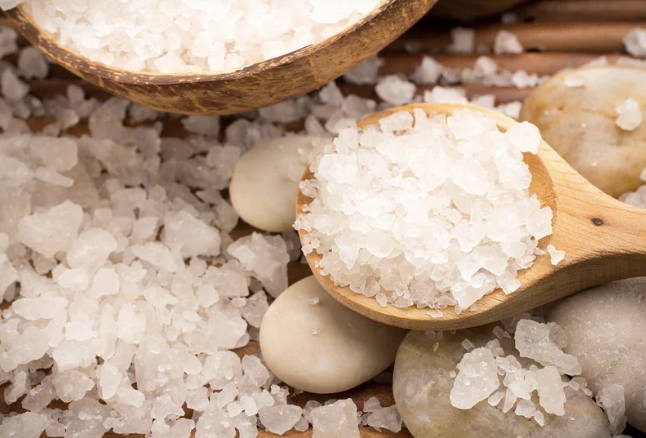
Epsom salt baths offer relaxation benefits, even though magnesium absorption through the skin remains limited.

Topical magnesium is appealing for several reasons. Many individuals prefer it because it feels soothing to the skin, helps create a calming ritual, or offers a way to target specific muscle areas. Some also choose it if they struggle with digestive sensitivity or dislike swallowing capsules.

As these products have grown in popularity, so has the belief that they can bypass the digestive tract and raise magnesium levels quickly. However, research suggests the story is more complex.

The Skin Barrier: What Science Says About Absorption

The skin’s outermost layer – the stratum corneum – is designed to be protective. It prevents water loss and blocks most substances, including minerals, from entering the bloodstream. Because magnesium carries an electrical charge (Mg²⁺), it has difficulty crossing through this lipid-rich barrier.

Several reviews note that significant increases in serum or intracellular magnesium from topical products have not been consistently shown in well-controlled human studies.*

A few small trials have suggested modest changes in magnesium markers, yet many lack placebo groups or standardized dosing. As a result, current evidence remains limited and inconsistent.

By contrast, oral forms – especially well-studied options such as magnesium L-threonate (Magtein®) – have demonstrated reliable effects on systemic or brain magnesium levels.*

Epsom Salt Baths: Relaxing, but How Much Is Absorbed?

Epsom salts (magnesium sulfate) have long been used to support relaxation and ease occasional muscle tightness. Warm baths naturally promote circulation, loosen muscles, and encourage parasympathetic (“rest-and-digest”) activity.

Although these benefits can feel significant, evidence for magnesium absorption through the skin remains mixed. Older studies suggested slight increases in serum magnesium, but later research has not consistently reproduced those results.

Therefore, many of the relaxing effects of an Epsom salt bath likely come from:

  • Warm water improving blood flow
  • Heat relaxing muscle tissue
  • Stress relief through quiet, uninterrupted time
Warm Epsom salt baths help soothe muscles and support relaxation, even if magnesium uptake is minimal.

Topical Magnesium Oils and Lotions: What They May Support

Even without strong evidence for large changes in magnesium status, topical magnesium can still play a meaningful role in daily routines. Many users appreciate these products for:

Localized Comfort

Topical sprays or oils may feel soothing on tense areas. This effect often results from gentle massage, hydration, or calming botanicals included in some formulas.

Nighttime Relaxation

Applying magnesium lotion before bed may help create a calming ritual, which can support better sleep hygiene.

Complementary Support

Topical magnesium fits well alongside oral supplementation – especially for routines centered on stress management, mood balance, or cognitive performance.*

Why Oral Magnesium Continues to Be the Most Effective Option

To influence magnesium levels inside cells, magnesium must reach the bloodstream in meaningful amounts. Oral magnesium supplements, particularly well-absorbed forms, continue to demonstrate the strongest evidence for supporting:

  • Relaxation and stress balance
  • Energy production
  • Sleep quality
  • Cognitive performance and memory*

Magtein (magnesium L-threonate) is especially notable because it was designed to cross the blood–brain barrier efficiently and support magnesium concentrations in neurons.*

Where Topical Magnesium Fits in a Balanced Routine

Topical magnesium may not significantly raise magnesium levels, but it can still contribute to a well-rounded wellness plan. When combined with consistent habits, topical forms may enhance relaxation and offer targeted comfort.

For a comprehensive approach, consider:

  • Eating magnesium-rich foods
  • Staying hydrated
  • Maintaining consistent sleep habits
  • Practicing stress-reducing techniques
  • Using evidence-based oral magnesium supplements when helpful*

Together, these strategies help support both physical and cognitive well-being through daily magnesium balance.

Topical magnesium oils and lotions may provide localized comfort and relaxation as part of a balanced wellness routine.

The Bottom Line

Topical magnesium oils, lotions, and Epsom salt baths can offer soothing and relaxing experiences. Still, current research does not strongly support meaningful increases in systemic magnesium levels through the skin.

Oral magnesium – especially Magtein (magnesium L-threonate) – remains the most reliable and well-studied option for supporting cognitive clarity, stress resilience, and overall magnesium balance.*

However, topical forms can still be enjoyable tools within a relaxation routine, providing comfort and sensory benefits that complement internal magnesium support.

References

  1. Gröber U, Schmidt J, Kisters K. Magnesium in prevention and therapy. Nutrients. 2015;7(9):8199–8226.
  2. Whelan AM, Sabanathan D, Dhingra R, et al. Topical magnesium for chronic pain and muscle soreness: A systematic review. J Integr Med. 2022;20(5):400–408.
  3. Cresswell J, et al. Transdermal magnesium: Short review of efficacy and safety. Open Sports Sci J. 2020;13:1–7.
  4. Mayo Clinic Staff. Magnesium: Dietary supplement fact sheet. Mayo Clinic. Accessed 2025.
  5. National Institutes of Health. Magnesium – Fact Sheet for Health Professionals. https://ods.od.nih.gov/factsheets/Magnesium-HealthProfessional/. Accessed 2025.

These statements have not been evaluated by the Food and Drug Administration. This product is not intended to diagnose, treat, cure, or prevent any disease.